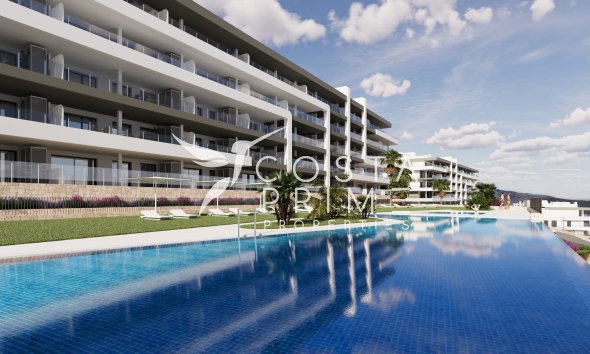









Buying a Property in Spain: Costa Blanca for Foreigners

Buying a Property in Spain: Costa Blanca for Foreigners
Buying a property in Spain, particularly in the stunning Costa Blanca region, has become increasingly popular among foreign buyers. From sun-soaked beaches and charming towns like Alfas del Pi and Denia to a high-quality lifestyle, the Costa Blanca offers an irresistible combination of investment potential and lifestyle appeal. If you’re a foreigner looking to buy a property in Spain, understanding the process, legal requirements, and market trends is essential for a smooth and successful purchase.
Whether you’re seeking a luxury villa overlooking the Mediterranean or a modern apartment in a vibrant town like Benidorm, this guide will walk you through everything you need to know about buying property in Costa Blanca as a foreigner.
Why Choose Costa Blanca for Property Investment
Costa Blanca stretches along Spain’s southeastern coastline, offering over 200 kilometers of coastline, charming villages, and excellent infrastructure. Here’s why foreign buyers are drawn to this region:
-
Beautiful Climate: Over 300 days of sunshine a year.
-
Diverse Property Options: From luxury villas in Altea Hills to apartments in coastal towns.
-
Accessibility: Easy connections via Alicante-Elche Airport and major highways.
-
Lifestyle & Amenities: Golf courses, marinas, international schools, and top-notch healthcare.
-
Strong Rental Market: Perfect for those looking for investment opportunities.
Investing in Costa Blanca property is not just about owning a home; it’s about enjoying a lifestyle that blends relaxation, culture, and convenience.
Legal Considerations for Foreign Buyers
Buying property in Spain as a foreigner is straightforward, but it requires understanding key legal steps:
1. Obtain a NIE (Foreigner Identification Number)
A NIE number is essential for all property transactions in Spain. It identifies you as a foreigner in legal and financial matters. You can apply for a NIE at Spanish consulates abroad or in Spain at local police stations.
2. Open a Spanish Bank Account
A Spanish bank account is required for property transactions, mortgage payments, and ongoing expenses such as utilities or community fees.
3. Hire a Lawyer
A bilingual lawyer specializing in Spanish real estate ensures your purchase is secure. They will:
-
Review contracts
-
Conduct property title checks
-
Verify the property has no debts or encumbrances
4. Sign the Preliminary Contract (Contrato de Arras)
This contract typically involves a deposit (usually 10% of the property price) and outlines the terms and completion date of the purchase.
5. Completion at the Notary (Escritura Pública)
The final deed is signed before a notary, making the property legally yours. Your lawyer ensures all taxes and fees are correctly paid.
Understanding Costs Beyond the Property Price
Foreign buyers often focus on the property price but forget the additional costs involved:
-
Taxes:
-
Property Transfer Tax (ITP) for resale properties (8–10% depending on region)
-
VAT (IVA) for new builds (usually 10%)
-
Stamp Duty (~1%)
-
-
Legal Fees: Typically 1–2% of the property price
-
Notary and Land Registry Fees: Approximately 1% combined
-
Ongoing Costs: Community fees, local taxes (IBI), insurance
These costs can add 10–15% to your total budget, so plan accordingly.
Choosing the Right Location in Costa Blanca
Alfas del Pi
-
Quiet town with traditional Spanish charm
-
Popular for expat communities
-
Luxury villas and modern apartments
Benidorm
-
Famous for beaches and nightlife
-
Ideal for short-term rental investments
-
High-rise apartments with sea views
Denia
-
Historical town with a marina and castle
-
Growing luxury market
-
Perfect for lifestyle and long-term investment
Other Notable Towns
-
Altea, Albir, Finestrat, La Nucía, Torrevieja, Orihuela Costa
Financing Options for Foreign Buyers
While many buyers purchase properties in cash, mortgages are available for non-residents:
-
Typically up to 70% of the property price
-
Interest rates range from 3–6%, depending on the bank
-
Documentation usually includes proof of income, bank statements, and credit history
Using a Spanish mortgage broker can simplify the process and help you secure better terms.
Tips for a Successful Property Purchase
- Research Before Visiting: Check property listings online, including Costa Prime Properties
-
Visit Multiple Properties: Compare locations, amenities, and price points.
-
Verify Legal Status: Always use a lawyer to confirm the property is debt-free and legally registered.
-
Consider Rental Potential: Even if buying for personal use, a strong rental market can offset costs.
-
Negotiate Wisely: Spain has a culture of negotiation, especially for resale properties.
Common Pitfalls to Avoid
-
Skipping legal checks or due diligence
-
Overlooking additional costs like taxes and community fees
-
Ignoring property orientation, condition, or potential renovations
-
Rushing into investment without local market understanding
A strategic approach ensures a safe investment and an enjoyable property ownership experience.
Conclusion
Buying a property in Spain, particularly on the Costa Blanca, is an exciting opportunity for foreign buyers seeking a luxurious lifestyle or a smart investment. From understanding legal requirements and additional costs to selecting the ideal location, preparation is key.
At Costa Prime Properties, we specialise in helping foreign buyers navigate the Costa Blanca property market. From selecting the perfect luxury villa or apartment to handling all legal and financial steps, we make your purchase smooth and stress-free.
Contact us today to start your journey and find your dream home in Costa Blanca.
FAQs
1. Can foreigners buy property in Spain?
Yes, foreigners can buy property in Spain without restrictions. Obtaining a NIE and following the legal process is essential.
2. Do I need a Spanish lawyer to buy property?
While not legally required, hiring a bilingual real estate lawyer ensures the transaction is secure and free from legal issues.
3. Are mortgages available for non-residents in Spain?
Yes, non-residents can obtain mortgages, typically covering up to 70% of the property price, depending on the bank.
4. What are the additional costs when buying property in Costa Blanca?
Buyers should budget for taxes, legal fees, notary fees, and ongoing costs like community fees and property tax.
5. Which Costa Blanca towns are best for foreign buyers?
Popular towns include Alfas del Pi, Benidorm, Denia, Altea, and Orihuela Costa, depending on lifestyle and investment goals.